Buying or selling a Streeterville condo and trying to decode those monthly assessments? You are not alone. The line items can feel complex, and the stakes are high because assessments directly impact affordability and resale value. The good news is that once you understand what drives costs in Streeterville high-rises and how to read an association budget, you can make confident decisions. In this guide, you will learn what assessments cover, how reserves and special assessments work, and how to spot red flags before you commit. Let’s dive in.
What condo assessments cover
Monthly assessments are the recurring dues your condominium association collects to pay for the building’s operating expenses and reserve contributions. In Streeterville, this typically includes staff salaries, utilities for common areas, maintenance contracts, building insurance under the master policy, management fees, and routine repairs.
Associations track two budgets:
- Operating budget for day-to-day costs and minor repairs.
- Reserve budget for major, non-recurring projects like elevator replacements, façade work, and roof or chiller replacements.
It helps to distinguish this “assessment” from your property tax assessment. Condo assessments are HOA dues. Property taxes are separate and billed to you by Cook County based on the county’s valuation of your unit.
How assessments are calculated
Most associations allocate assessments based on each unit’s percentage interest or ownership share defined in the condominium declaration. This percentage, sometimes called undivided interest in the common elements, determines your share of both regular and special assessments unless the declaration says otherwise.
Streeterville cost drivers to know
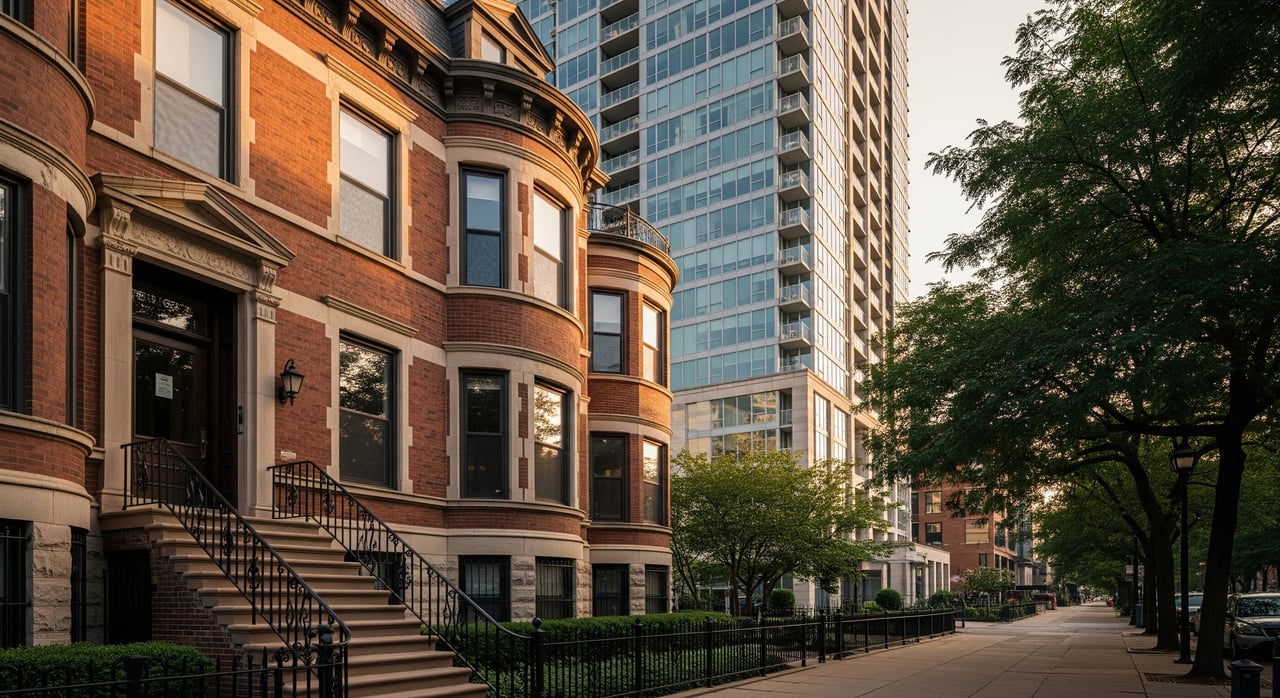
Streeterville’s high-rises often carry higher assessments because of the neighborhood’s scale and amenities. Key local factors include:
- High amenity levels. Doorman or concierge services, pools, fitness centers, guest suites, and on-site engineering teams raise payroll and operating costs.
- Building scale and complexity. Tall towers mean expensive elevator contracts, large HVAC systems, façade work at height, and higher common-area utility loads.
- Lakefront exposure and weather. Wind, freeze–thaw cycles, and lake humidity accelerate wear on windows, masonry, waterproofing, and concrete, which can lead to costly repairs.
- Age of building stock. Older towers often require plumbing riser work, window replacement, masonry repointing, and roof or terrace waterproofing.
- Parking and garage structures. Underground or attached garages require waterproofing, ventilation, and lighting. Some buildings treat parking as a separate budget with its own income and expenses.
- Insurance and liability costs. Master policy premiums and deductible exposure affect the budget. Claim history matters.
- Municipal fees and assessments. Associations can face city fees tied to common areas or municipal improvements that impact operating costs.
How to read a Streeterville condo budget
When you review a building’s financials, focus on what you are actually paying for and whether the plan is sustainable. Key line items include:
- Management and administrative. Professional management fees, accounting and legal, office expenses.
- Salaries and benefits. Engineers, maintenance, janitorial, concierge, payroll taxes and benefits.
- Utilities and services. Electricity and water for common areas, heating or chilled water if centrally provided, trash removal, pest control, landscaping and snow removal.
- Insurance. Master policy premiums and deductible risk. Confirm what the building covers versus your HO‑6 policy.
- Repairs and maintenance. Routine fixes, elevator contracts, HVAC service, painting.
- Reserve contributions. The annual line that funds major replacements.
- Capital projects. Planned larger projects noted in the budget or separate memos.
- Parking/garage. Income and expenses if the garage is part of the association.
- Taxes and assessments. Any municipal fees related to common elements.
Practical review tips:
- Confirm the split between operating and reserve. Reserves should be a distinct line, not buried in operating.
- Compare prior-year actuals vs the current budget to spot cost creep or repeated shortfalls.
- Review the balance sheet for the reserve account and recent income statements for trends.
- Ask for the most recent reserve study and bank statements for the reserve account.
- Read board meeting minutes for the past 12 to 24 months for clues on upcoming projects or funding gaps.
Reserves and reserve studies
Reserves are the building’s savings for major repairs and replacements. A reserve study by an engineer or qualified professional estimates the useful life and replacement cost of key components and recommends annual funding.
There is no universal “right number” for reserves. Adequacy is measured against the study’s recommendations, often referenced through a funded ratio that compares actual reserves to what is recommended. Many associations are underfunded, which increases the risk of future special assessments. Always request the latest study and evidence of regular reserve contributions.
Special assessments in Streeterville
A special assessment is a one-time charge the association levies when reserves and the operating budget cannot cover a need. Typical triggers include unexpected system failures, major façade or window projects, large insurance deductibles after a claim, or revenue shortfalls.
Allocation usually follows each unit’s percentage interest unless the declaration states otherwise. Associations may let owners pay in installments or all at once. Some buildings finance projects with a loan secured by the association, which spreads costs over time but adds interest and lender requirements.
Be aware that lenders review HOA dues and special assessments during underwriting. Large or unapproved assessments can affect financing. Condo project eligibility for FHA, Fannie Mae, and Freddie Mac also considers reserves, litigation, and special assessments. Keep your lender informed early and request appropriate contingencies.
Red flags during due diligence
When you evaluate a Streeterville building, watch for:
- Low reserve balance compared to the reserve study’s recommendations.
- Repeated special assessments or unusually large, unscheduled charges in recent years.
- Pending or recent litigation involving the association.
- High turnover among board members or management, or no professional management in a large tower.
- Visible deferred exterior work such as façade spalling, window issues, roof or terrace leaks, or water staining in common areas.
- Incomplete or vague financials, missing reserve studies, or no audited statements.
- High investor or short-term rental share, which can influence financing and insurance.
- Projects announced but not funded, like planned façade work without a funding plan.
Buyer checklist for Streeterville condos
Build your offer around smart document review. Ask for:
- Resale certificate or disclosure package with the current budget, rules, bylaws, declaration, insurance summary, reserve study, reserve balance, and a list of any special assessments or litigation.
- Audited or reviewed financial statements plus recent monthly or quarterly reports.
- Reserve study and reserve bank statements.
- Board minutes from the last 12 to 24 months and notices of planned capital projects.
- Master insurance summary, including deductibles and coverage gaps.
- Parking agreements and policies, and any associated income.
- Owner occupancy and investor ratio if available.
- Building condition reports or engineer inspections if the property is older or minutes reference upcoming projects.
Build in time to review these documents, consult a real estate attorney, and share findings with your lender before finalizing financing.
Seller prep that builds buyer confidence
Strong disclosure helps your unit stand out:
- Assemble the resale package early and keep it current.
- Disclose planned or approved special assessments and timelines.
- Be ready to explain what monthly assessments cover, recent increases, and how they compare to similar Streeterville buildings.
- Highlight the reserve study and consistent reserve funding if the numbers support it.
- Share recent capital projects completed by the association to demonstrate proactive maintenance.
Lender and project approval considerations
Mortgage lenders scrutinize association health. Large special assessments, underfunded reserves, or active litigation can affect loan approval and interest in the building. FHA, Fannie Mae, and Freddie Mac have project approval standards related to reserves, litigation, and special assessments. Keep your lender informed and gather association documents early to avoid surprises.
Local rules and resources to keep in mind
Condominiums in Illinois operate under the Illinois Condominium Property Act and each association’s declaration, bylaws, and rules. In Chicago, building codes and permitting can influence the cost and timing of exterior or structural work. For context and due diligence, buyers and sellers often consult:
- The City of Chicago Department of Buildings for permits and inspection history.
- The Cook County Assessor and Treasurer for property tax and assessment records.
- The Chicago Association of REALTORS® for local market practices and condo resale guidance.
- Community Associations Institute (CAI) materials for budgeting and reserve study best practices.
- Local condo management companies, engineers, attorneys, lenders, and title companies for building-specific insights.
Compare buildings smartly
Not all high-rises are equal. In Streeterville, a higher fee can be reasonable if it aligns with robust amenities, transparent budgets, and well-funded reserves. Compare buildings on:
- Amenity level vs cost and staffing needs.
- Reserve funding relative to the study’s targets.
- History of special assessments and whether recent projects were completed on budget.
- Age and condition of major systems like elevators, boilers, chillers, windows, and façade.
Final thoughts
Understanding assessments is about clarity and planning. When you know what your dues cover, how reserves are funded, and where risks may be hiding, you can price a listing accurately, structure a smart offer, and avoid unwanted surprises. If you want a Streeterville-specific read on a building’s budget, reserves, and special assessment history, reach out for a tailored walkthrough of the documents and market comps.
Ready to evaluate a Streeterville condo or prep your sale with confidence? Connect with Jeffrey Jungbauer for a clear plan and concierge-level guidance.
FAQs
What do Streeterville condo assessments typically include?
- Most budgets cover master building insurance, common-area utilities, staff salaries, elevator and maintenance contracts, management fees, routine repairs, and reserve contributions.
How big should a building’s reserve fund be?
- There is no universal target; adequacy is measured against a current reserve study, a funded ratio, and consistent contributions over time.
How often do Streeterville buildings levy special assessments?
- Frequency varies by building age, maintenance history, board decisions, and reserve funding; older towers or underfunded associations see them more often.
Can a buyer be charged a special assessment right after closing?
- Yes, associations can levy new assessments for unplanned capital needs; thorough review of minutes, reserve studies, and inspections reduces this risk.
Who pays if the garage or commercial space is treated differently in the building?
- Allocation depends on the declaration and bylaws; some non-residential elements have different allocation rules, so review governing documents and the budget closely.