Leave a Message

Thank you for your message. We will be in touch with you shortly.

West Loop Loft vs New Construction: How To Choose

January 15, 2026

Torn between a sun-soaked brick-and-timber loft and a sleek new condo in the West Loop? It is a great problem to have, but the choice shapes your daily life, your budget, and your resale outlook. You want clear tradeoffs, not just pretty photos. In this guide, you will get a practical framework to compare authentic loft conversions with new-construction condos in Chicago’s West Loop, plus a checklist you can use on your next tour. Let’s dive in.

West Loop market snapshot

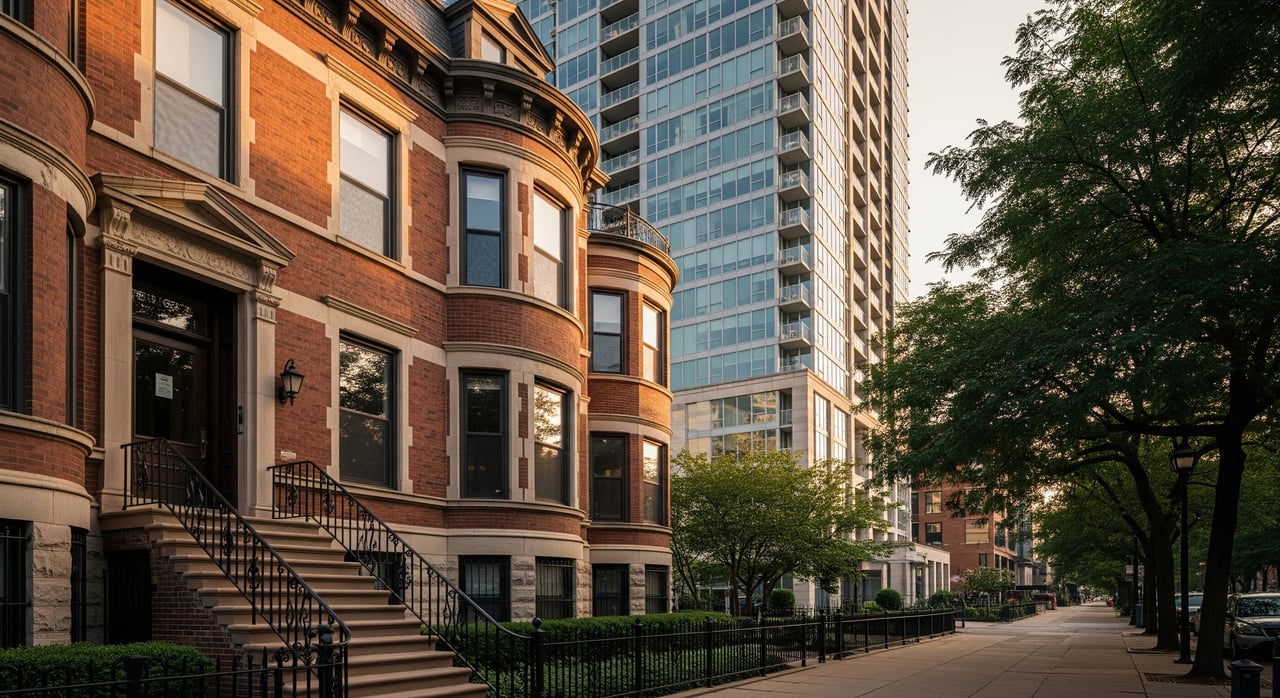
The West Loop blends historic industrial buildings with boutique mid-rises and larger new developments. You will see authentic loft conversions, modern condo buildings, and amenity-rich high-rises in and around Fulton Market and the Fulton River District. Demand stays strong because of proximity to the Loop, Metra at Ogilvie and Union Station, CTA access, and a deep dining scene.

New construction has surged over the last 10 to 15 years, while many loft conversions date to the 1980s through early 2000s. That mix creates different price behavior and buyer pools. Local comparables from the last 3 to 6 months are essential when you get serious about a specific building type.

Character and finishes

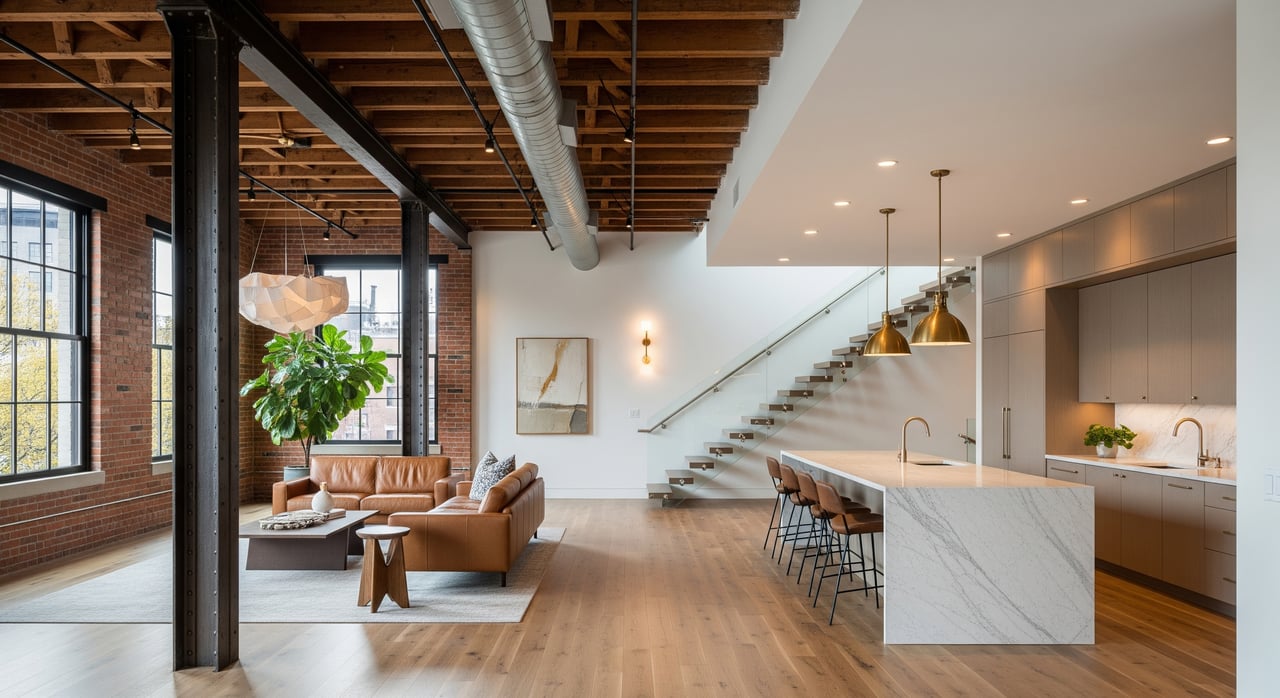
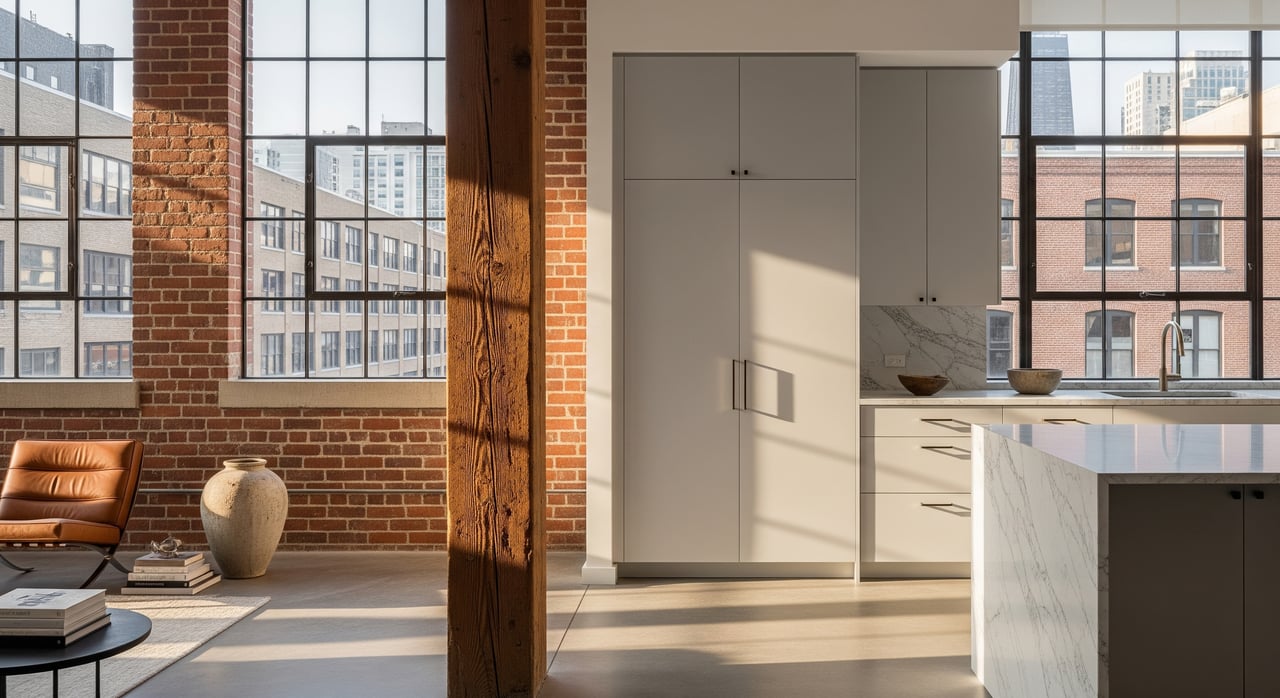
Loft character and finishes

  • Expect exposed brick, timber or steel beams, tall ceilings, and oversized windows that deliver dramatic light and volume.
  • Layouts can be open and flexible, but bedrooms and closets may require creative solutions unless updated.
  • Kitchens and baths vary by renovation history. Ask when the last full update occurred and whether walls were moved.

New-construction look and feel

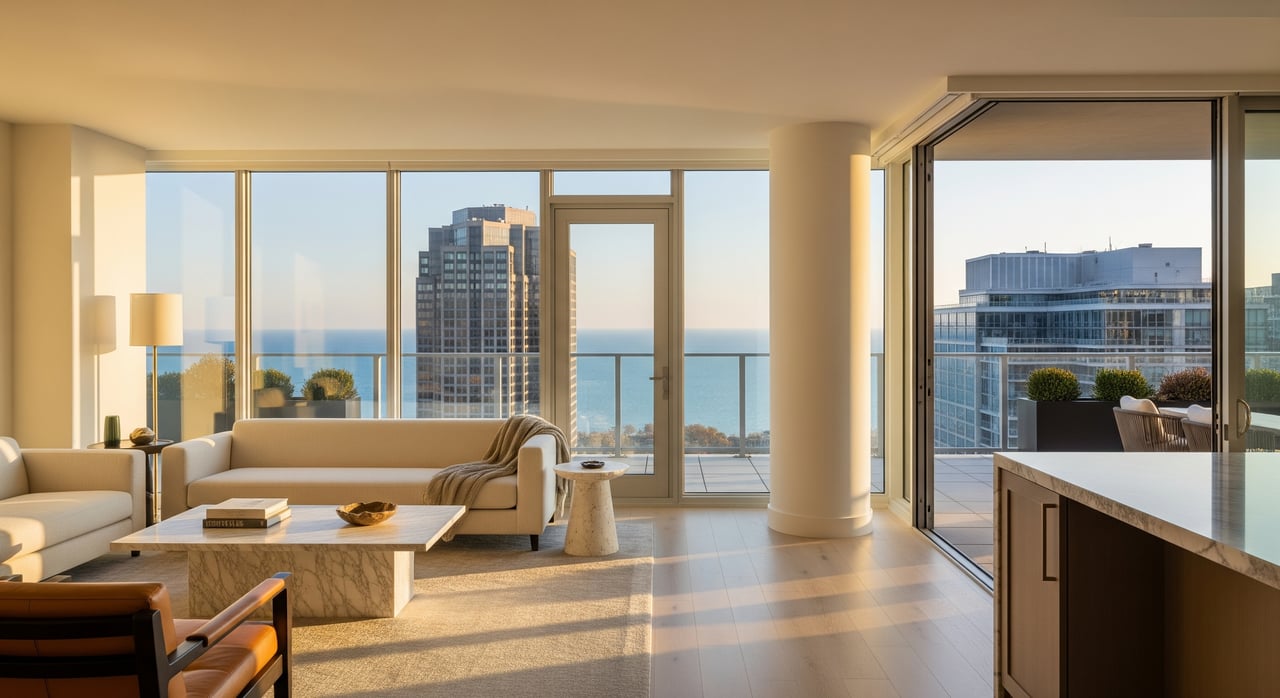
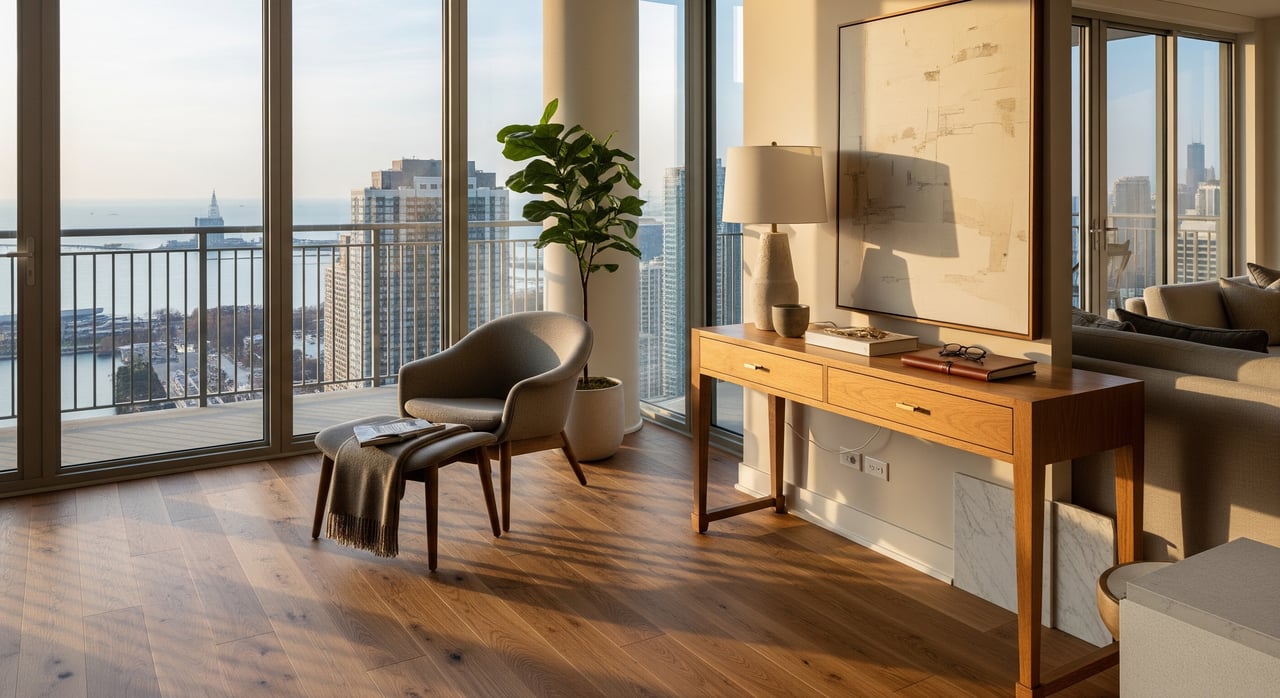
  • Expect modern finishes, efficient kitchens and baths, and consistent quality with builder warranties early on.
  • Floor plans often include built-in storage and integrated smart features for turnkey living.
  • Some buyers find new units feel less unique than lofts, but the “move-in ready” factor is strong.

Sound, privacy, and build quality

Many newer mid and high-rise buildings use concrete slab construction, which typically controls sound transfer better between floors than older timber structures. Loft conversions may have more echo from hard surfaces like brick and concrete floors. Mechanical noise can show up in any building, especially older systems.

Tour at different times of day to gauge street and neighbor noise. Ask the HOA about noise complaints and rules. You can also confirm floor and ceiling construction types in condo documents or with building management.

Amenities and lifestyle tradeoffs

New buildings may include 24/7 staff, gyms, rooftop decks, lounges, package rooms, parking, and bike storage. Those are convenient, but they tend to increase HOA dues. Boutique loft buildings often have fewer shared spaces, which can lower fees and create a more low-key vibe.

In the West Loop, neighborhood amenities are part of the draw. Proximity to Fulton Market restaurants, grocery options, and transit can offset the need for in-building amenities, depending on your lifestyle.

Costs you see and the ones you do not

HOA dues and what they include

  • Newer, amenity-rich buildings often have higher monthly dues to cover staffing and operations.
  • Smaller loft associations may have lower dues, but costs can rise if reserves are thin or building systems are aging.
  • Verify exactly what dues include, how utilities are billed, and recent dues increases.

Maintenance and capital needs

  • Older loft conversions may face roof, window, mechanical, plumbing, tuckpointing, and elevator projects. Special assessments can occur if reserves are low.
  • New construction benefits from developer and component warranties, but long-term costs depend on the association’s budgeting and maintenance plan once warranties lapse.

Documents to request: the current budget, most recent reserve study, last 12 months of board minutes, and any special assessment details. You can also review recent permits for big-ticket work.

Resale and financing factors

Buyer pools and resale dynamics

Turnkey buyers and investors may lean toward newer buildings. Buyers who value character or large single-floor footprints often prefer lofts. Across building types, units with thoughtful layouts, good light, updated kitchens and baths, and parking typically reach a wider audience.

Association health and financing options

In Illinois, the Condominium Property Act governs associations. Some loan programs require project approval, and buildings with low owner occupancy or pending litigation can limit financing options. That can shrink the buyer pool and affect valuations when you sell.

Micro-location, parking, and commuting

Fulton Market tends to favor newer, amenity-forward living near restaurants and offices. East West Loop and the River North border include more classic conversions and boutique buildings, plus proximity to Metra for commuters. Deeded parking is a strong selling point, often with a separate cost. Confirm whether parking conveys and how it is titled.

A simple scoring rubric for shortlisting

Use this quick rubric to compare units apples to apples. Score each category from 1 to 10, then weight it by importance.

  • Physical: layout, ceiling height, natural light (20%)
  • Finishes and move-in readiness (15%)
  • Sound and privacy (15%)
  • HOA dues and financial health (20%)
  • Amenities and lifestyle fit (10%)
  • Resale potential and location (20%)

Pre-shortlist research checklist

Before touring, gather basics so you do not waste time on mismatches.

  • Confirm building type and year built.
  • Get HOA monthly fee and what it includes.
  • Ask for the current budget, reserve study, and last 12 months of meeting minutes.
  • Check for special assessments, litigation, or planned capital projects.
  • Verify parking availability, whether deeded or assigned, and any costs.
  • Confirm owner-occupancy ratio and rental rules if that matters to your plans.

What to look for on tour

Inside the unit

  • Floor plan flow, bedroom privacy, storage, and natural light.
  • Window condition, seals, and any signs of leaks or patching.
  • HVAC and water heater age and location, plus in-unit laundry.
  • Electrical panel capacity and outlet placement.
  • Ventilation and odors that may indicate moisture or cooking transfer.

Building and common areas

  • Lobby, hallways, elevators, and overall cleanliness.
  • Package handling, security, bike storage, and trash rooms.
  • Signs of exterior work, scaffolding, or façade repairs.
  • Parking circulation, loading zones, and delivery access, especially near Fulton Market.

Professional due diligence

Always hire a licensed condo inspector. If you notice potential issues, consider specialist inspections for roof, façade, HVAC, or pests. Pair that with a real estate attorney who knows the Illinois Condominium Property Act and common Chicago issues.

Making your offer with confidence

Before or during attorney review, gather building-level documents and ask targeted questions.

Documents to obtain

  • Declaration, bylaws, and rules and regulations
  • Current budget and reserve study
  • Last 12 months of HOA minutes
  • Certificate of insurance and master policy
  • Pending or recent special assessments and purposes
  • Litigation disclosures
  • Owner-occupancy and rental list

Questions for the HOA or management

  • Are projects or assessments planned in the next 12 to 24 months?
  • What is the reserve balance and percent funded if available?
  • How are utilities billed and metered?
  • How many units are behind on dues?
  • What are the policies for parking and storage?

Financing and insurance checks

  • If you plan to use FHA or VA financing, confirm the building’s approval status.
  • Review the association’s insurance to learn what your policy must cover, usually unit improvements and personal property.
  • Understand Cook County tax assessments and any recent changes that may affect your escrow.

Which one is right for you?

Choose a loft if you value volume, texture, and a one-of-a-kind space. You accept the idea of selective updates and you prefer a boutique feel over extensive amenities. Choose new construction if you want turnkey living, modern systems, consistent finishes, and on-site conveniences, and you are comfortable with higher dues for that convenience.

Either way, start with your nonnegotiables. Decide where you stand on character versus turnkey, HOA dues, parking, and noise tolerance. Then use the scoring rubric to compare real options and let building documents confirm your front-runner.

Next steps and local help

A focused, neighborhood-first strategy makes this choice easier. With targeted buyer representation, off-market access when available, and careful review of association health, you can move confidently. If you are ready to compare specific West Loop buildings, schedule tours, and pressure test the numbers, connect with Jeffrey Jungbauer for a straight path to the right condo.
FAQs

What defines an authentic West Loop loft versus a new condo?

  • Authentic lofts are converted industrial buildings with features like exposed brick, timber or steel columns, tall ceilings, and large windows, while new condos focus on modern finishes, efficient layouts, and early warranties.

How do HOA dues typically differ between lofts and new construction?

  • Amenity-rich new buildings often carry higher monthly dues for staffing and operations, while smaller loft associations may have lower dues unless aging systems or underfunded reserves drive increases.

What due diligence should I do before offering on a West Loop condo?

  • Review the budget, reserve study, last 12 months of HOA minutes, special assessments, insurance, rules, litigation disclosures, and owner-occupancy levels, then pair that with an inspection and attorney review.

How do financing rules impact my West Loop purchase?

  • Some programs require condo project approval, and buildings with low owner occupancy or litigation can limit loan options, which affects both your purchase choices and future resale.

What should I check for noise in a West Loop tour?

  • Visit at different times of day, ask about noise complaints and sound rules, and verify floor and ceiling construction types, especially if comparing concrete buildings with older timber structures.

Why does parking matter so much for West Loop resale?

  • Deeded parking is a strong selling point and often a separate cost, and units with convenient parking typically appeal to a wider buyer pool and support stronger resale outcomes.

Work With Jeffrey

Jeffrey prides himself on treating every client with the same level of concierge-level service, Jeffrey’s number one priority is open, honest communication about his clients’ needs and concerns as well as respect for their confidentiality throughout the entire transaction. Whether you are ready to list your home for sale, buy a new one, or are just curious about the market or what your home is worth, contact Jeffrey now!