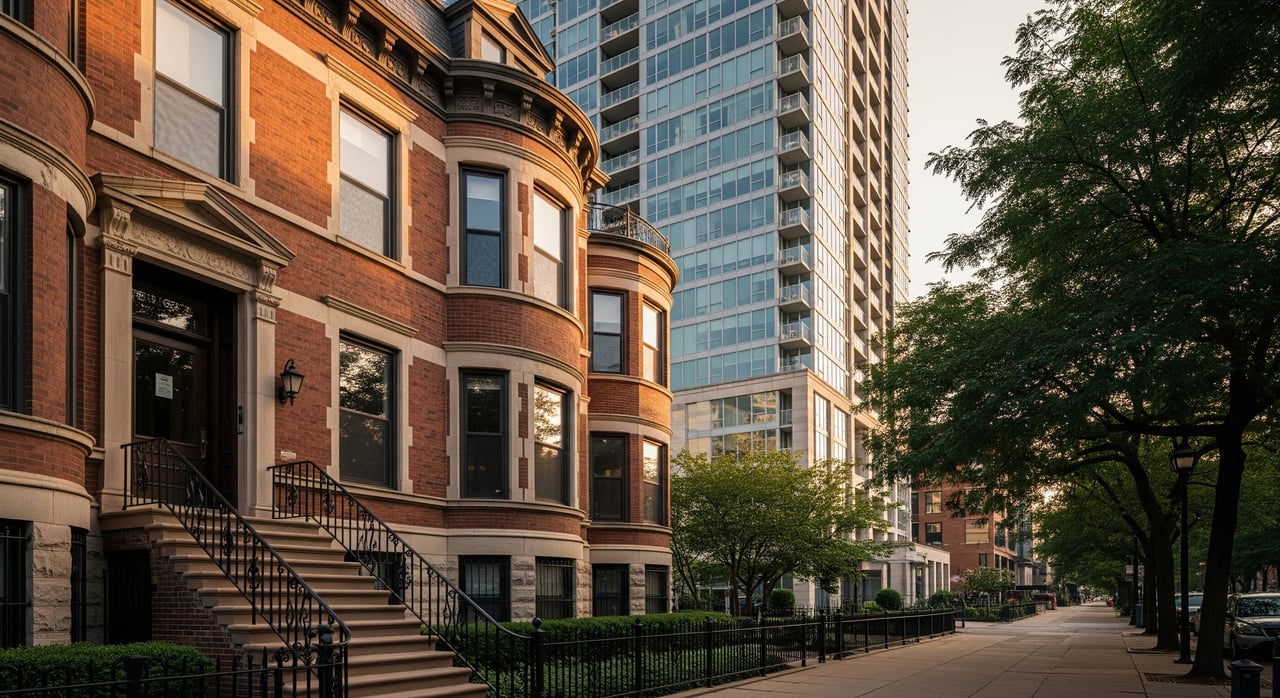
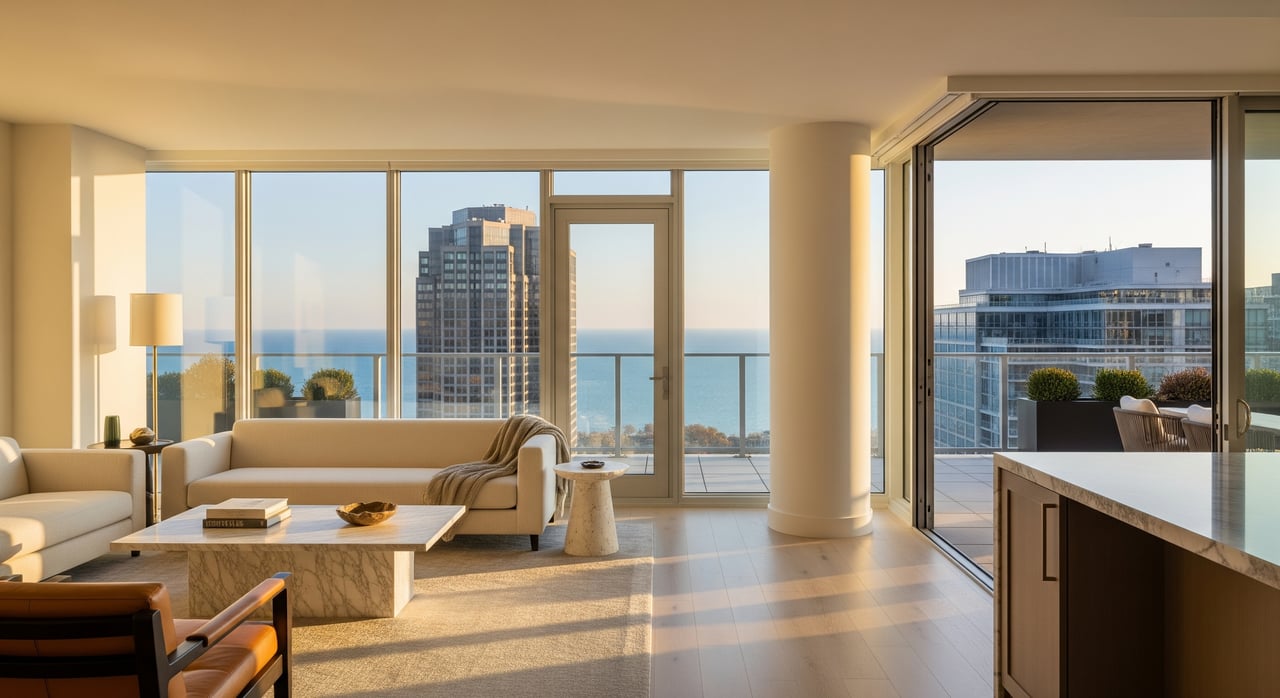
Love the look of exposed brick and tall ceilings, but not sure which loft style fits your life in Bucktown or Wicker Park? You are not alone. Many buyers see the word “loft” and assume a specific look or level of upkeep. In this guide, you will learn the real differences between soft and hard lofts, how each performs day to day, what to check in the building’s financials, and how to choose with confidence. Let’s dive in.
Hard loft vs soft loft basics
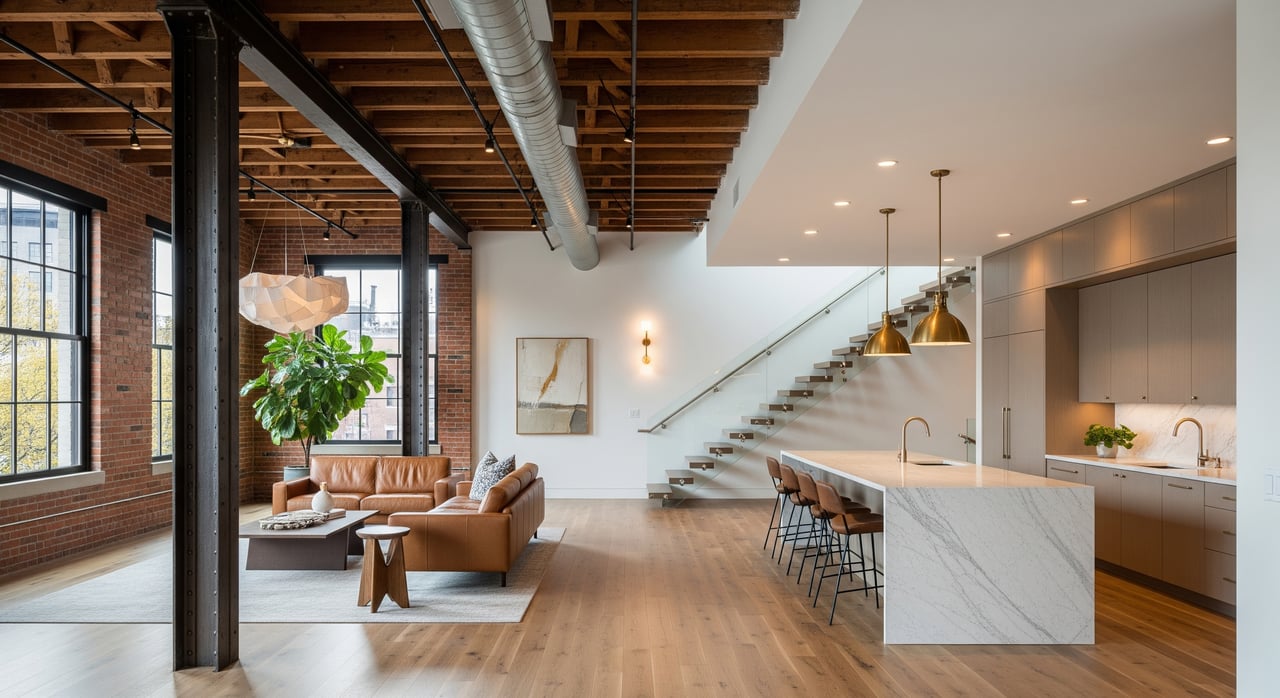
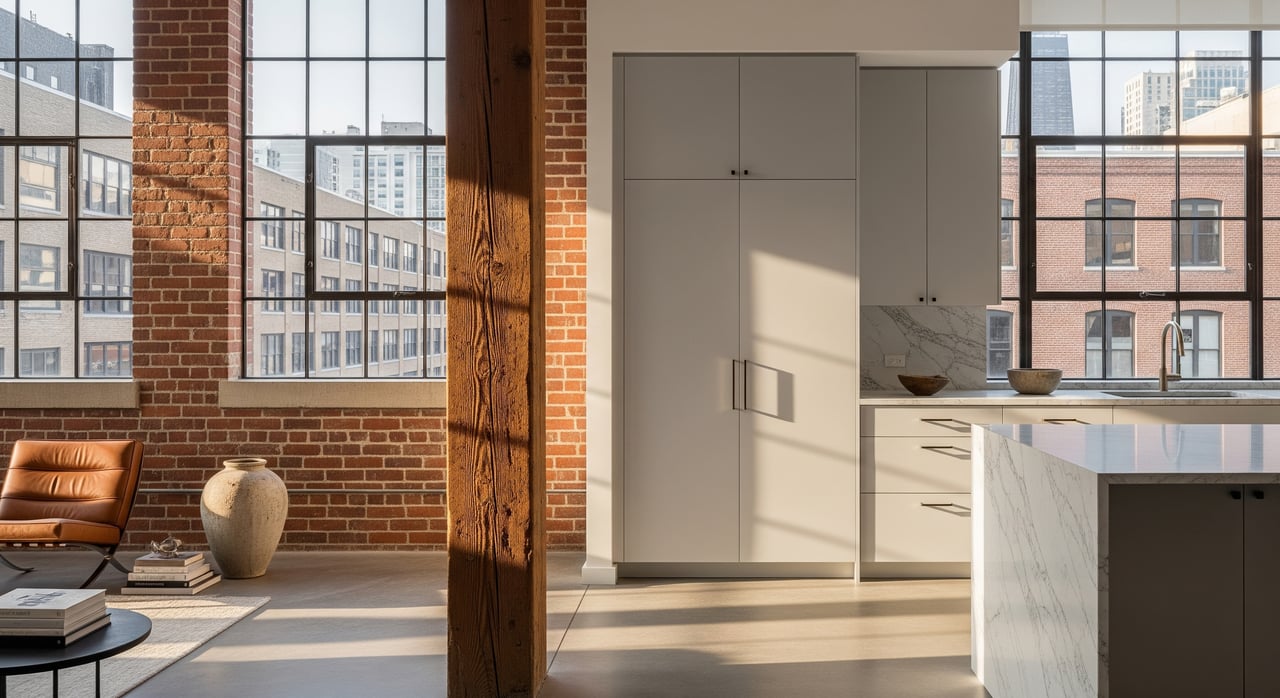
Hard lofts are authentic conversions of former industrial, warehouse, or commercial buildings. You will often find exposed brick or concrete, visible timber or steel, oversized industrial windows, and very high ceilings. Floor plans can be open and irregular, and finishes can reflect the building’s historic bones.
Soft lofts are newer buildings that borrow the loft aesthetic. Expect open layouts, taller-than-average ceilings, and some exposed elements, paired with modern windows, HVAC, and contemporary finishes. They deliver the look without the legacy systems.
Important tip: “Loft” is often a marketing label. Always distinguish by construction type and building history rather than the listing headline. Verify the original use, year built, and how the conversion or construction was done.
Why Bucktown and Wicker Park
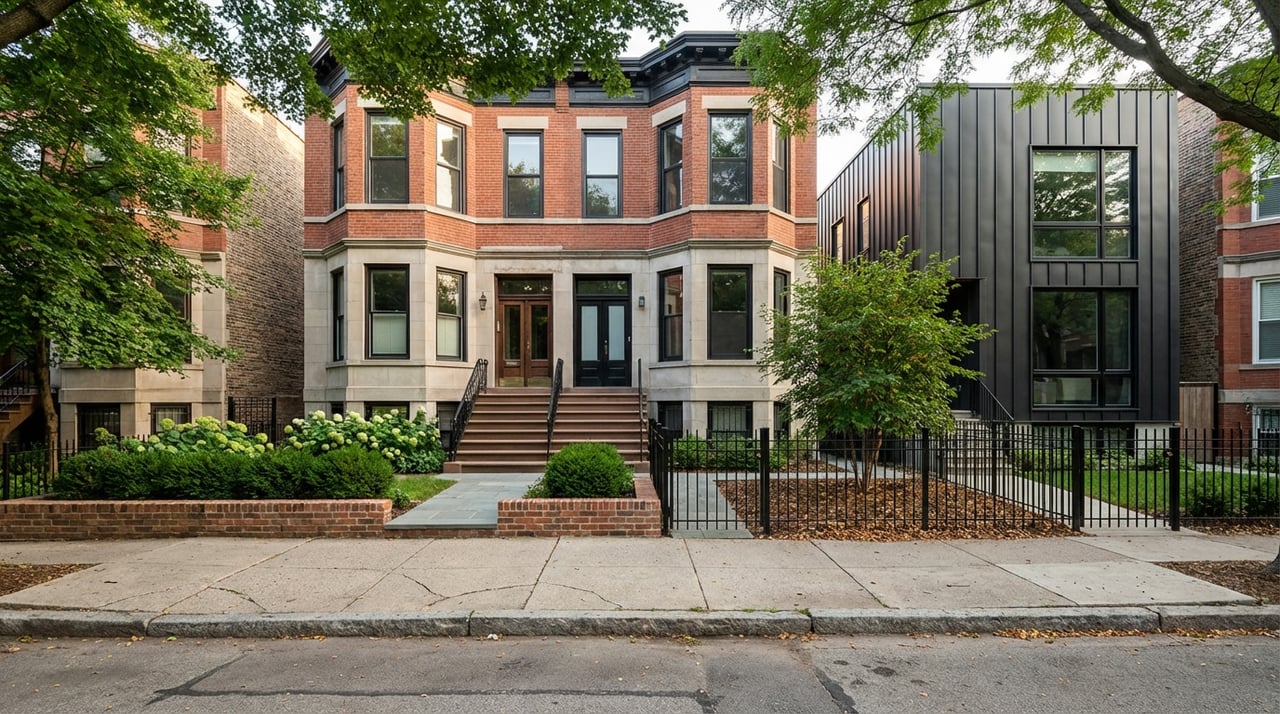
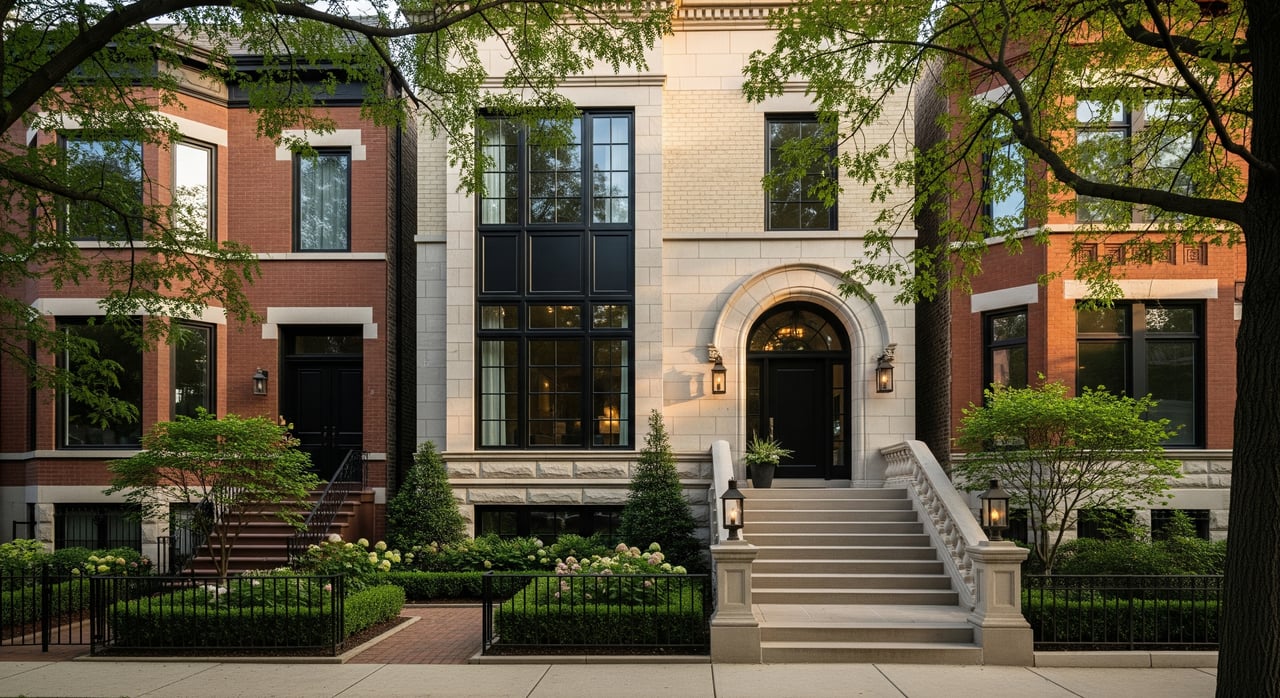
Bucktown and Wicker Park offer both authentic warehouse conversions and newer, loft-style condos. Historic adaptive reuse across West Town and along the 606 corridor produced many genuine hard lofts, especially near former manufacturing and rail corridors. At the same time, infill development added soft-loft buildings near commercial streets.
The mix can vary block by block. This is great for choice, but it also means you should verify the building’s age, original use, and construction to match your expectations with reality.
Key differences that affect daily life
Structure and construction
- Hard lofts: masonry exteriors, heavy timber or concrete floors, exposed steel. Character-rich, with thicker walls and significant mass. Irregular floor plates can impact furniture placement and storage.
- Soft lofts: modern framed construction with drywall finishes and contemporary building envelopes. More predictable layouts and easier permitting for typical interior work.
Buyer takeaway: Hard lofts deliver one-of-a-kind character and heft. Soft lofts deliver predictability and modern building systems that are easier to service.
Ceiling height and space
- Hard lofts often reach 12 to 20 feet or more in main living areas. Some allow mezzanines or lofted sleeping areas.
- Soft lofts typically offer 9 to 12 feet. They feel airy, but rarely at the scale of a former factory floor.
Why it matters: Taller volumes influence heating and cooling costs, furniture scale, and acoustic behavior. Height can also affect resale for buyers who prize dramatic spaces.
Windows and daylight
- Hard lofts may retain original steel-framed factory windows. They create expansive light but can be drafty and less energy efficient if not upgraded.
- Soft lofts use modern double or triple glazing sized to look generous while improving energy performance and sound attenuation.
Buyer takeaway: Ask whether windows are original, restored, or replaced, and whether the association allows upgrades. In landmarked buildings, exterior window changes can require approvals, which can add time and cost.
HVAC, plumbing, and electrical
- Hard lofts: conversions vary. You may see radiators, individual furnaces, or mixed systems. Service history and upgrade plans are important.
- Soft lofts: designed with contemporary HVAC, plumbing, and electrical systems that are typically easier to maintain.
Buyer takeaway: Older systems can be reliable but idiosyncratic. Confirm ages, service records, and whether the association has upcoming mechanical projects.
Sound and acoustics
- Hard lofts: heavy masonry and thick floors can reduce vertical transfer. Open plans, thin interior partitions, and high ceilings can increase reverberation and lateral sound.
- Soft lofts: engineered party walls and modern assemblies can improve separation, though lower mass can transmit structure-borne noise in some cases.
Practical test: Visit during typical busy hours. Listen for footsteps, voices, hallway noise, and street sound. Ask the HOA about any soundproofing work or noise complaints.
Energy and operating costs
- Hard lofts often have more thermal bridging and less insulation unless they were upgraded during conversion. Older windows can impact utility bills.
- Soft lofts are built to modern codes and usually perform better for heating and cooling.
Buyer takeaway: Request recent utility histories. Understand the tradeoff between lower utility usage in soft lofts and potentially higher assessments for amenities.
Environmental and hazardous materials
- Hard loft conversions can involve legacy materials like lead paint or asbestos. Proper remediation should be documented.
- Soft lofts, given their newer construction, are less likely to have legacy hazards, but verification is still prudent.
Buyer takeaway: Ask for environmental and abatement records, disclosures, and use inspectors experienced with older industrial conversions.
Ownership, HOA, and Chicago rules
Condo structure and governance
Most lofts are sold as condos with shared common elements. You should review the declaration, bylaws, and meeting minutes to understand rules, assessments, and plan for major repairs.
- Hard-loft associations can be smaller with older buildings and variable reserves. Capital needs like masonry repointing, window restoration, roofs, or waterproofing can drive special assessments.
- Soft-loft associations may have more amenities and higher monthly assessments. Reserves can be stronger, but ongoing costs reflect those amenities.
Checklist:
- Budget, reserve study, and last 12 months of meeting minutes.
- Special assessment history and planned capital projects.
- Rental policies, owner-occupancy ratios, and short-term rental rules.
Insurance and building coverage
Confirm master policy type and what it covers inside the unit. Older buildings can carry higher premiums. Clarify whether original windows or envelope elements fall under the master policy.
Permits, compliance, and landmarks
Confirm that conversions and major alterations were permitted and that the building has a certificate of occupancy. If the property is designated a landmark or sits within a landmark district, exterior work such as window replacement typically requires formal approval.
Financing and appraisals
Lenders evaluate building documentation, occupancy, reserves, and any commercial components. Some hard-loft buildings with unusual legal structures or high commercial percentages can face tighter loan terms. Newer soft-loft condos often align more easily with conventional financing. Talk to a lender experienced with Chicago lofts early in the process.
Who each type fits
Hard lofts may be right if you want authentic industrial character, very high ceilings, and open, flexible space. You accept occasional quirks, are open to ongoing upgrades, and value uniqueness over amenity sets.
Soft lofts may be right if you want the loft look with modern systems, consistent thermal comfort, and easier financing. You prefer predictable maintenance and may value amenities even if assessments are higher.
How to choose: a quick decision guide
Use this simple flow to narrow your shortlist:
- Start with ceilings and windows.
- If you must have 12-foot-plus ceilings and massive factory windows, focus on hard lofts.
- If 9 to 11 feet with efficient glazing meets your needs, include soft lofts.
- Consider noise tolerance and layout.
- If you need quieter interiors and private bedrooms, weigh soft lofts with engineered assemblies and enclosed rooms.
- If you value volume and open plans more than separation, explore hard lofts with acoustic tweaks.
- Stack operating costs and HOA budgets.
- Compare utility histories, assessment levels, and reserve strength.
- In hard lofts, factor possible near-term envelope or window projects.
- Confirm financing path.
- Ask your lender about the building’s eligibility and required documentation.
- If financing is sensitive, lean toward buildings that align with conventional guidelines.
Inspection and verification checklist
Bring this list to showings and attorney review:
- Building documents: declaration, bylaws, current budget, reserve study, and recent meeting minutes.
- Permits and CO: verify the original conversion permits and certificate of occupancy; check for unpermitted work.
- Windows: identify original steel windows, inspect for drafts or corrosion, review any restoration or upgrade history.
- Envelope and masonry: look for mortar deterioration, signs of water intrusion, roof age and repair records.
- Mechanical systems: note ages and service records for boilers, furnaces, and HVAC units; confirm capacity and zoning.
- Electrical and plumbing: panel capacity and any evidence of outdated systems.
- Environmental: remediation records for lead paint, asbestos, or historical industrial contaminants.
- Sound: visit during evenings and weekends; ask about noise complaints or completed sound remediation.
- Insurance: understand master policy coverage and any exclusions.
- Parking and storage: deeded spots, rental availability, and storage units.
- Zoning and landmark: check whether landmark rules could affect exterior alterations like windows.
Offer strategy in competitive buildings
- Price and timeline: set value expectations using recent building and neighborhood comparables, then decide your ideal close date and flexibility.
- Capital projects: if minutes mention near-term work, ask for estimates and time frames. Reflect that risk in price or credits.
- Contingencies: include time to obtain quotes for window or envelope work in hard lofts. Secure lender review if the building has atypical legal or financial structures.
- Utilities and assessments: request recent utility bills and clarify exactly what the HOA fee covers.
Work with a neighborhood-first advisor
Choosing between a hard and soft loft in Bucktown or Wicker Park comes down to how you live, what you value in day-to-day comfort, and your appetite for building projects. With the right due diligence, both paths can deliver a great outcome and a smart investment in these sought-after neighborhoods. If you want curated options, clear tradeoffs, and a confident offer strategy, reach out to Jeffrey Jungbauer for local guidance and access to on- and off-market opportunities.
FAQs
What is the difference between a hard loft and a soft loft in Chicago?
- A hard loft is an authentic conversion of a former industrial building with original structural elements, while a soft loft is newer construction that mimics the loft look with modern systems and finishes.
Are hard lofts in Bucktown/Wicker Park more expensive to heat and cool?
- They can be if they retain original windows and limited insulation; soft lofts generally have better energy performance due to modern envelopes and glazing.
How does sound travel in hard lofts compared with soft lofts?
- Hard lofts have heavy floors and masonry that can reduce vertical transfer, but open plans and high ceilings can increase reverberation; soft lofts often use engineered assemblies for improved separation.
What HOA issues should I review before buying a loft condo?
- Review the budget, reserve study, recent meeting minutes, and special assessment history, plus rental rules, owner-occupancy ratios, and planned capital projects.
Can I replace windows in a landmarked hard-loft building?
- Window changes in landmarked properties typically require formal approval and must meet historic guidelines; check building minutes and association policies.
Is financing different for hard lofts compared with soft lofts?
- Some hard-loft buildings with unusual legal structures or significant commercial components may face stricter loan terms, while newer soft lofts often align more easily with conventional financing.