Lincoln Park Single-Family Homes: Prices And Buyer Tips
February 5, 2026
February 5, 2026
Thinking about trading your Lincoln Park condo for a single-family home or townhouse? You are not alone. Many buyers want more space, private outdoor areas, and a garage without giving up walkability and neighborhood conveniences. In this guide, you will learn what your budget typically buys, how the market behaves, key costs to expect, and the smart steps that help you win the right home. Let’s dive in.
Lincoln Park single-family inventory is limited and demand stays strong thanks to parks, transit access, retail corridors, and proximity to downtown. Turnkey homes with outdoor space and parking are especially competitive. Well-priced listings often draw multiple offers, and days on market can be shorter than the city average.
Seasonality still matters. Spring and early summer are busy, while fall can bring opportunities if inventory builds. Mortgage rates have been higher since 2022 compared with the pandemic lows, which affects monthly affordability, but the premium for scarce single-family and townhouse stock has held.
Bottom line: be prepared with a strong pre-approval, clear priorities, and a decisive offer strategy if you want one of the few standout homes.
Pricing varies by condition, size, and location within the neighborhood. Here is a general framework as of 2023 through mid 2024. Always verify current comps when you are ready to write.
Key takeaway: single-family and townhome prices in Lincoln Park sit well above typical condo pricing. If you are moving up from a condo, budget for that premium.
Narrow, multi-level layouts are common. Expect open kitchen and living areas on a main floor with bedrooms above, plus small rear yards or alley garages. Rooftop decks are a frequent feature.
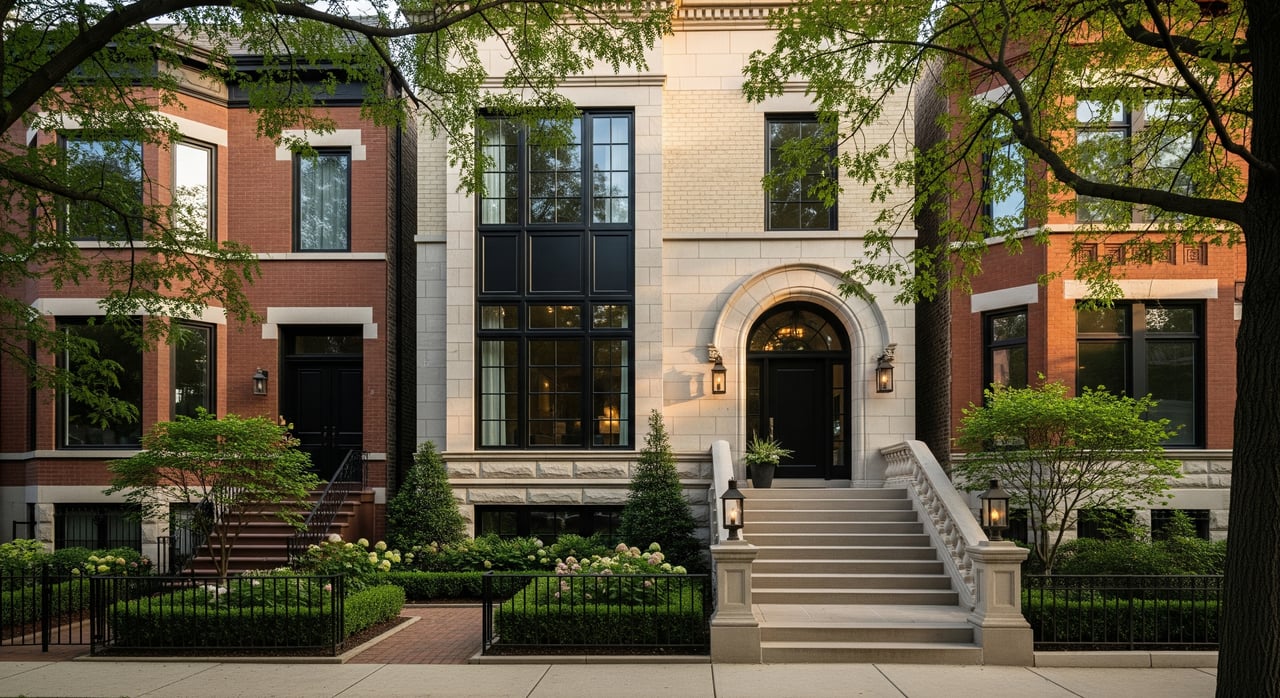
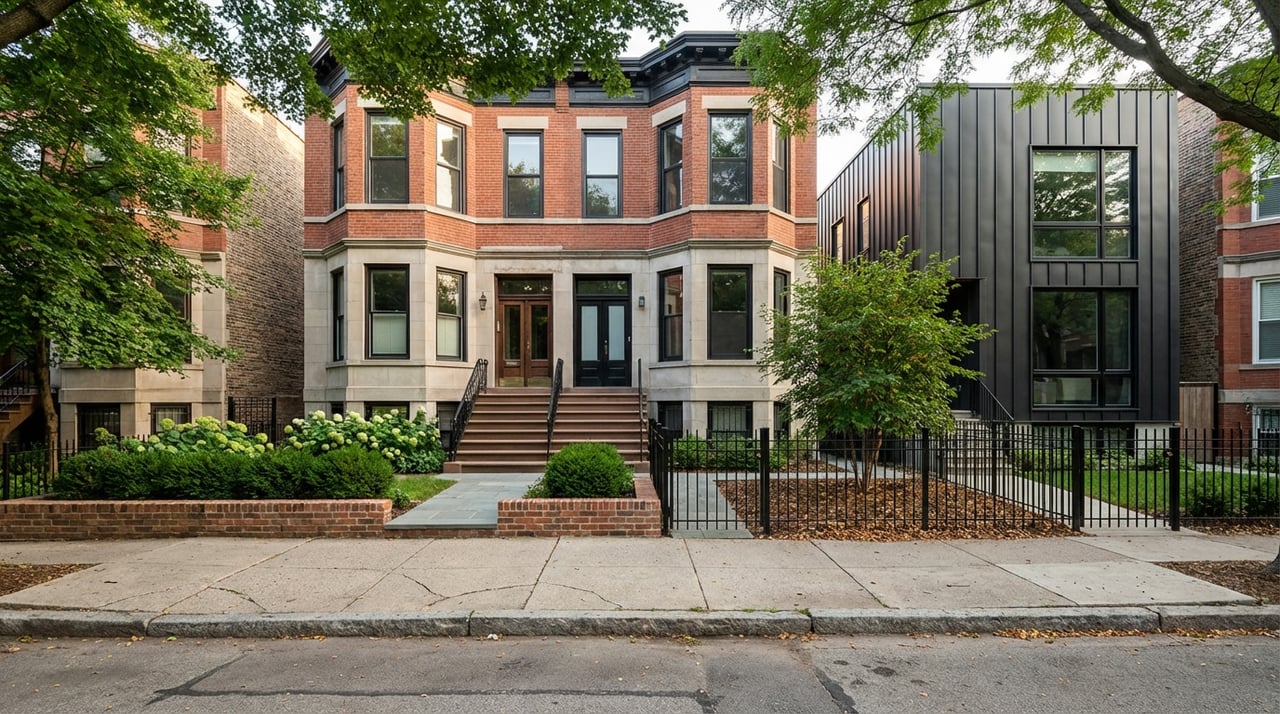
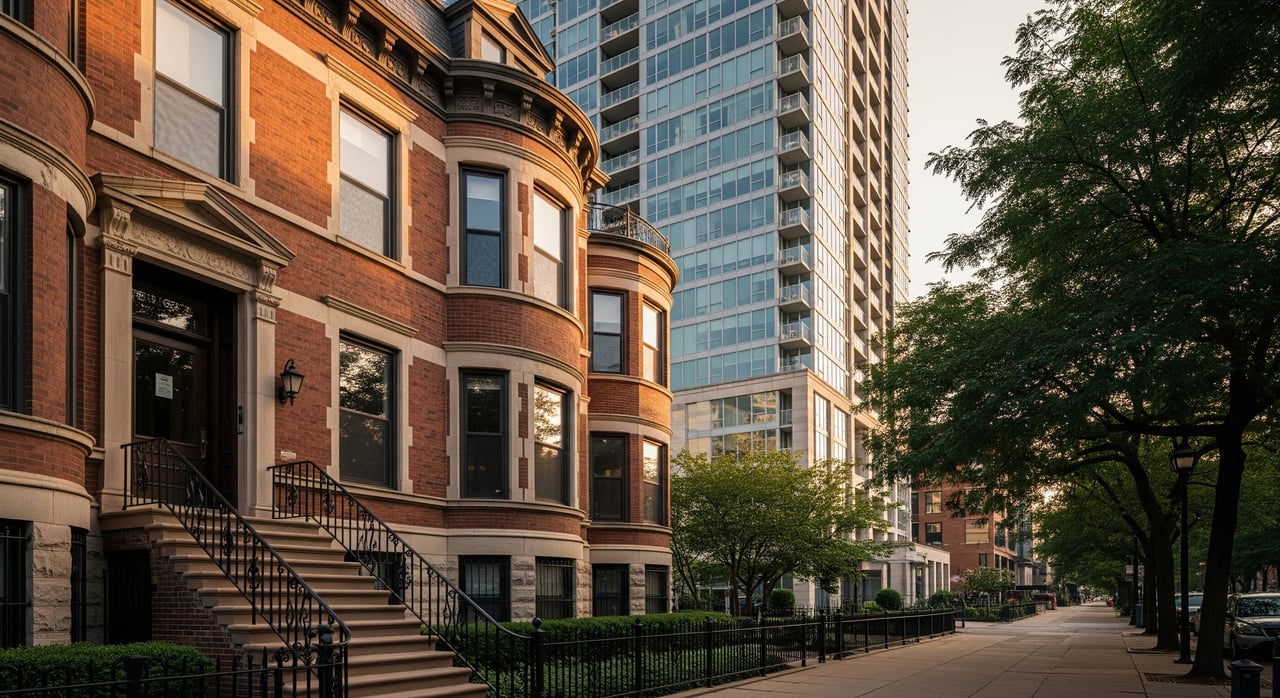
Historic masonry exteriors from the late 19th and early 20th centuries are part of Lincoln Park’s character. Many interiors are modernized while facades stay classic. Look for parlor floors and raised basements.
Less common than townhouses but often larger, with private yards and attached or detached garages. These can carry a premium due to space and lot size.
Contemporary multi-level plans with high-end finishes are available, sometimes with elevator options and structured parking.
Secondary units above garages or in basements do exist. If rental income or liability matters to you, verify permits and legal status before you count on that use.
Single-family ownership carries different costs than condo living. Plan your budget around these line items.
Cook County property taxes are based on assessed value, local rates, and any special assessments. Assessment levels can change after a sale or remodel. Review the parcel’s recent tax history and keep potential reassessments in mind during budgeting.
Conventional financing standards apply. Many move-up buyers target 10 to 20 percent or more down to secure favorable terms. Rates in 2022 through 2024 were higher than in 2020 and 2021, which affects monthly payments. Compare loan options, such as a 30-year fixed versus a 7/1 ARM, based on your time horizon and risk tolerance.
Older Lincoln Park homes may need tuckpointing, roof work, window updates, mechanical upgrades, or basement waterproofing. Cosmetic updates may cost tens of thousands, while larger structural or system projects can reach hundreds of thousands. Get contractor estimates early so your offer reflects realistic costs.
Replacement cost insurance can be higher for masonry historic homes. Flood insurance is not commonly required in Lincoln Park, but confirm for low-lying lots or basements with sewer concerns. Utility costs depend on system age and insulation. Older brick properties can have higher heating needs.
A clear plan reduces surprises and helps you move quickly when the right home hits the market.
Verify whether the property includes a garage, and review its condition and clearance.
If there is no off-street parking, understand permit parking and street availability on the block.
Proximity to the park, CTA transit, and retail corridors like Armitage, Halsted, Fullerton, and Southport tends to boost demand and pricing. Homes near busy commercial areas can have more activity and potential noise. Quieter residential blocks farther from nightlife may feel more peaceful, but they can be farther from daily conveniences.
School boundaries and access are important for many buyers. If schools are on your list, verify attendance boundaries and enrollment policies directly with the relevant districts or schools.
Spring and early summer bring the most listings and buyers. Fall can be a good time to find opportunities if inventory increases. Plan for moving logistics that are common in Lincoln Park, such as street parking restrictions for moving trucks, alley widths, and the need for curbside permits. Multi-level homes may require careful staging of the move to protect stairways and finishes.
A single-family home typically does not save money compared with a condo. Purchase price, taxes, maintenance, and insurance often rise, and you may still have HOA fees for some townhomes. What you gain is control over your property, private outdoor space, and a product segment that remains scarce in Lincoln Park. The right choice comes down to how you value space, privacy, and long-term lifestyle fit compared with monthly costs.
If you want a data-informed plan, on-the-ground guidance, and access to opportunities before the crowd, connect with a local expert who blends neighborhood knowledge with strong offer strategy. For curated search, off-market access, and hands-on representation, reach out to Jeffrey Jungbauer. He will help you compare options, price your move, and secure the home that fits your goals.

Jeffrey prides himself on treating every client with the same level of concierge-level service, Jeffrey’s number one priority is open, honest communication about his clients’ needs and concerns as well as respect for their confidentiality throughout the entire transaction. Whether you are ready to list your home for sale, buy a new one, or are just curious about the market or what your home is worth, contact Jeffrey now!
Get Access To Off-Market Listings