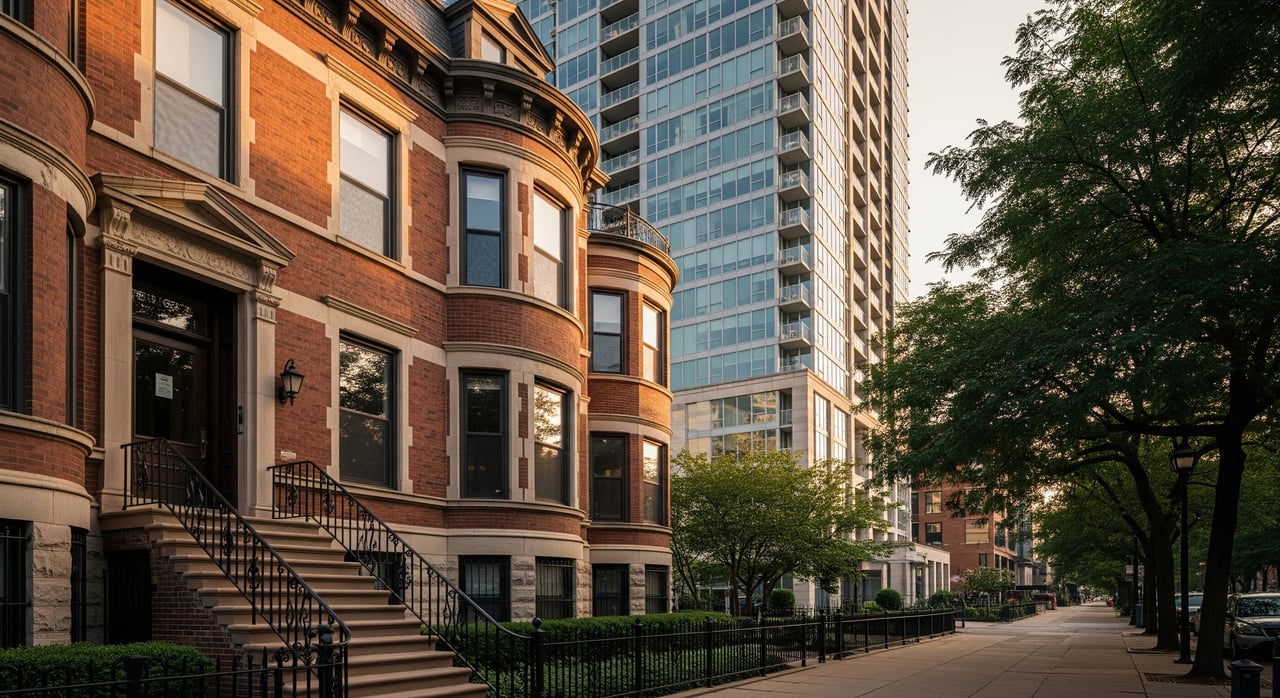
Old Town Housing Types in Chicago: High-Rise to Vintage
December 18, 2025
December 18, 2025
Looking at Old Town but not sure which home style fits your life? You are not alone. Between vintage walk-ups, mid and high-rise condos, and classic rowhomes, Old Town gives you very different living experiences on neighboring blocks. In this guide, you will learn how each housing type lives day to day, what to inspect before you buy, and how to shortlist the right buildings and streets with confidence. Let’s dive in.
Old Town blends a landmarked historic core with streets that added mid and high-rise living over time. That mix creates a compact, walkable neighborhood where restaurants, retail, parks, and transit sit close together. Housing demand runs strong, and building condition and amenities can vary widely by age and type. Understanding the typical forms will help you focus your search.
Vintage walk-ups are usually 2 to 4 stories with masonry or brick exteriors and timber framing inside. Units often include studios to 2 bedrooms with tall ceilings, compact kitchens, and stair access only. You may see original or partially replaced windows and older plumbing or electrical that has been updated over the years. These buildings can offer a lower entry price than luxury towers, but many lack on-site parking and may require ongoing maintenance planning.
Mid-rises generally run 5 to 15 stories with elevators, concrete or steel construction, and a wider range of layouts. Expect options for larger 2 or 3 bedroom homes and, in some cases, duplex penthouses. Amenities may include a door staff, fitness rooms, rooftop decks, and on-site management. Parking can be deeded, assigned, or rentable, so verify what is included with any listing.
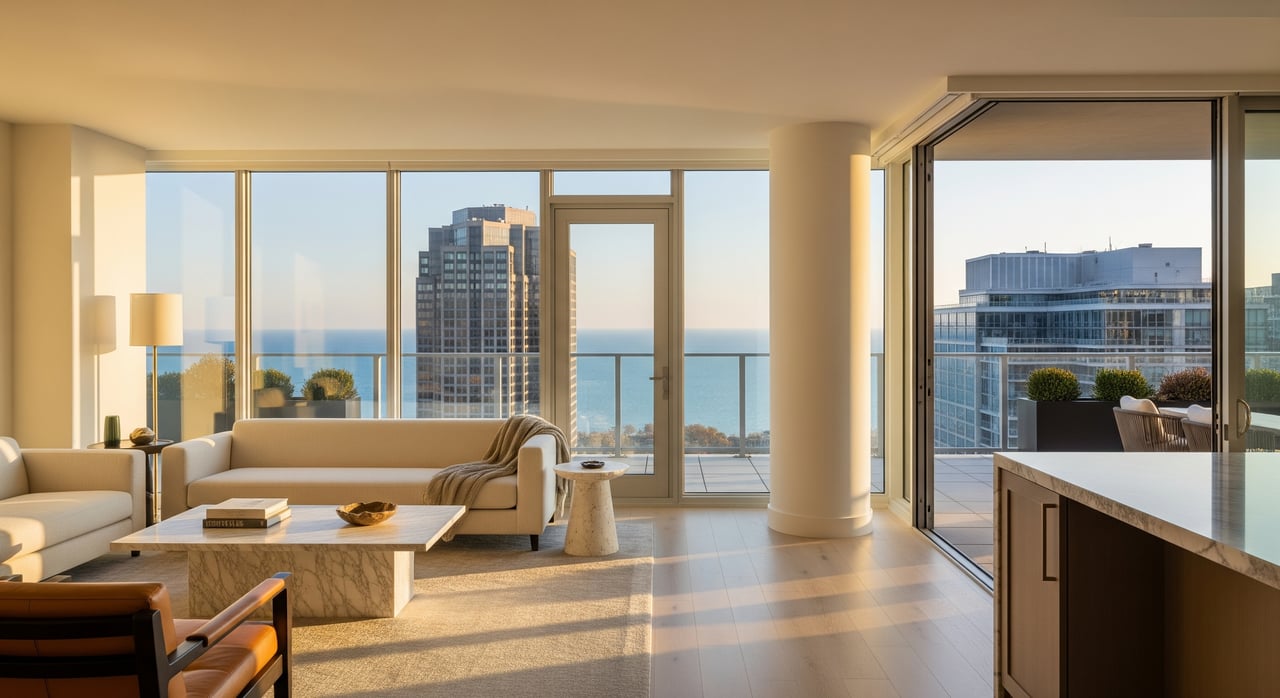
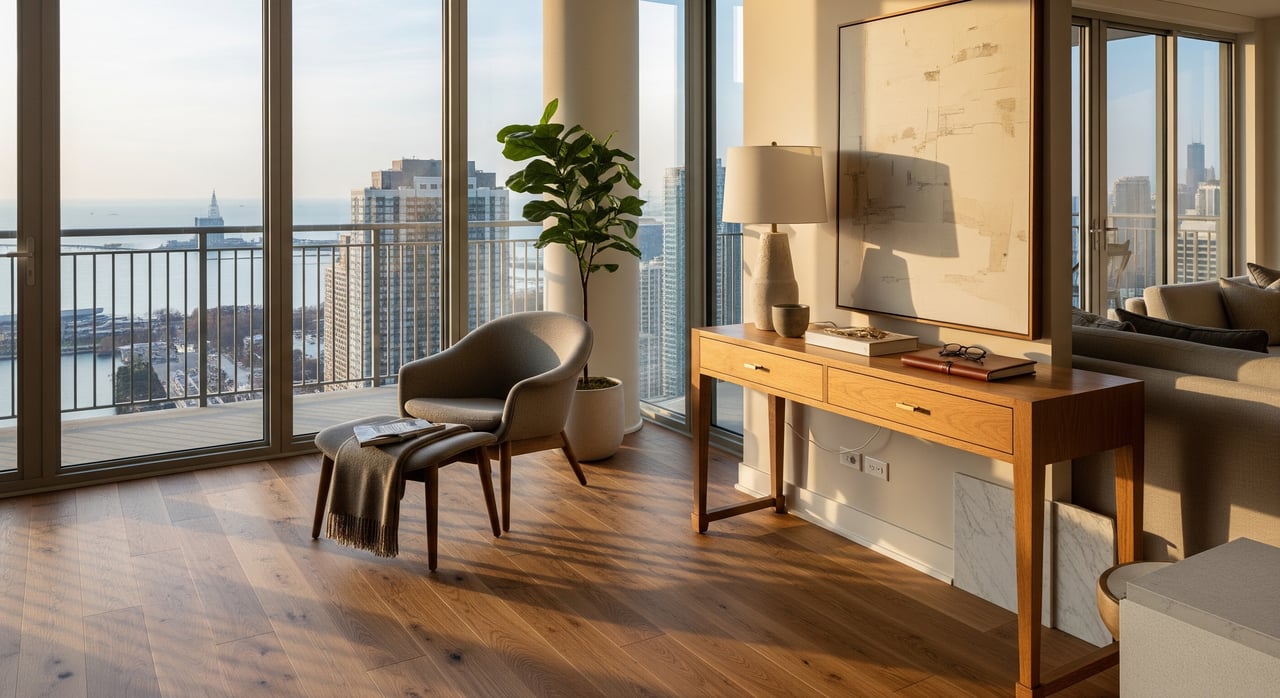
High-rises of 15 floors or more cluster along main corridors and closer to the river. You will find larger floor plans, broad amenity packages, professional management, and covered parking options. Higher floors often deliver stronger light and wider views, which can vary by orientation and weather exposure. Review building operations, reserve health, and amenity upkeep when comparing towers.
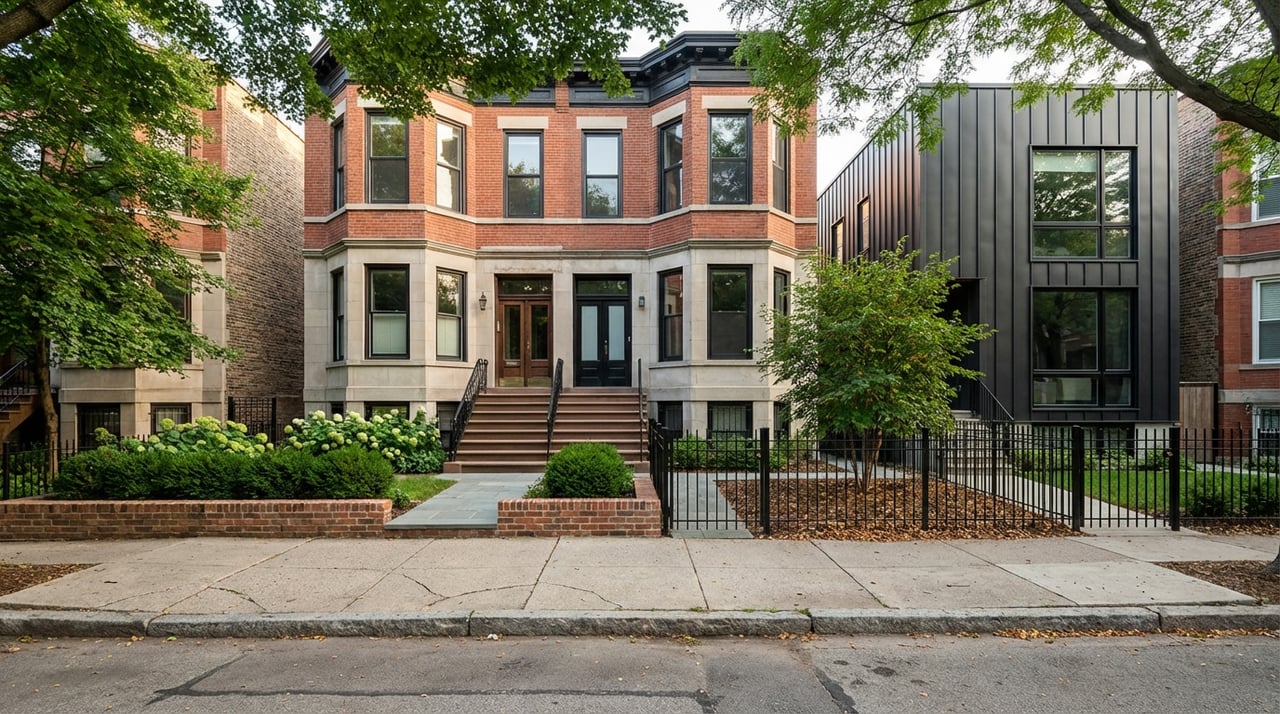
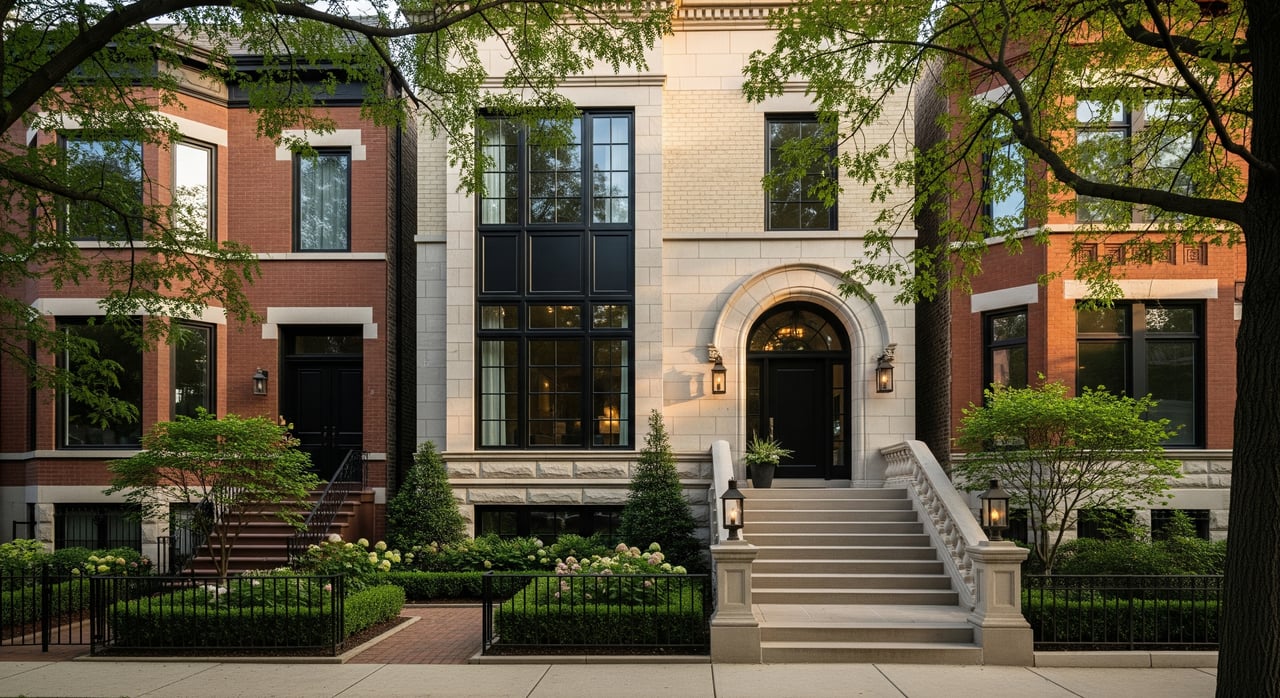
Attached townhomes and rowhouses offer multi-level living with private entries and small yards, patios, or roof decks. Many include private garages off the alley, which simplifies parking compared to vintage walk-ups. Ownership can be fee simple or within a townhome association, so check governing documents to understand maintenance responsibilities. These homes deliver privacy and outdoor space while keeping you in a walkable location.
Hire an inspector with Chicago vintage and multi-unit experience. Look closely at mechanical systems, roof and drainage, and the building envelope. For pre-1978 properties, know that federal lead rules apply; review guidance under the U.S. EPA’s Renovation, Repair and Painting Program. Always verify that past renovations were permitted and closed with the City of Chicago’s Department of Buildings.
Key items to review:
For condos or co-ops, add these association checks:
Many vintage walk-ups do not include on-site parking. Townhomes often have private garages, while mid and high-rise buildings may offer deeded or assigned garage spaces or rentable options. If a unit lacks a space, plan for street parking or a nearby garage and confirm current availability and costs. Some blocks participate in Chicago’s residential parking programs, so check current city rules for eligibility and permitting.
Old Town’s active commercial streets bring evening activity and traffic. Side streets one or two blocks off main corridors are typically quieter. Sun and views vary by height and orientation. Higher floors often get stronger light and wider vistas, but you will feel more wind exposure.
If you are evaluating a property within a historic district or a designated landmark, review the Commission’s guidance and listings through the City of Chicago’s historic preservation program. For national context, learn how the National Register works through the National Park Service’s National Register of Historic Places.
To verify permits, inspections, or code history, use the City of Chicago’s Department of Buildings and search relevant datasets on the Chicago Data Portal. For pre-1978 homes, understand lead-safety requirements under the U.S. EPA’s Renovation, Repair and Painting Program. To review assessments and taxes, visit the Cook County Assessor and the Cook County Treasurer.
When you are ready to compare high-rise, walk-up, and vintage options on specific Old Town blocks, get a curated shortlist and on-the-ground guidance. Reach out to Jeffrey Jungbauer to see listings, review HOA health, and plan a smart offer. Get Access to Off-Market Listings.

Jeffrey prides himself on treating every client with the same level of concierge-level service, Jeffrey’s number one priority is open, honest communication about his clients’ needs and concerns as well as respect for their confidentiality throughout the entire transaction. Whether you are ready to list your home for sale, buy a new one, or are just curious about the market or what your home is worth, contact Jeffrey now!
Get Access To Off-Market Listings